






HISTORY
The name XIl Apostoli becomes from 12 sculptures of the 12 apostles placed in the columns of the barn that is located in the acreage (land, plot) of the same name.
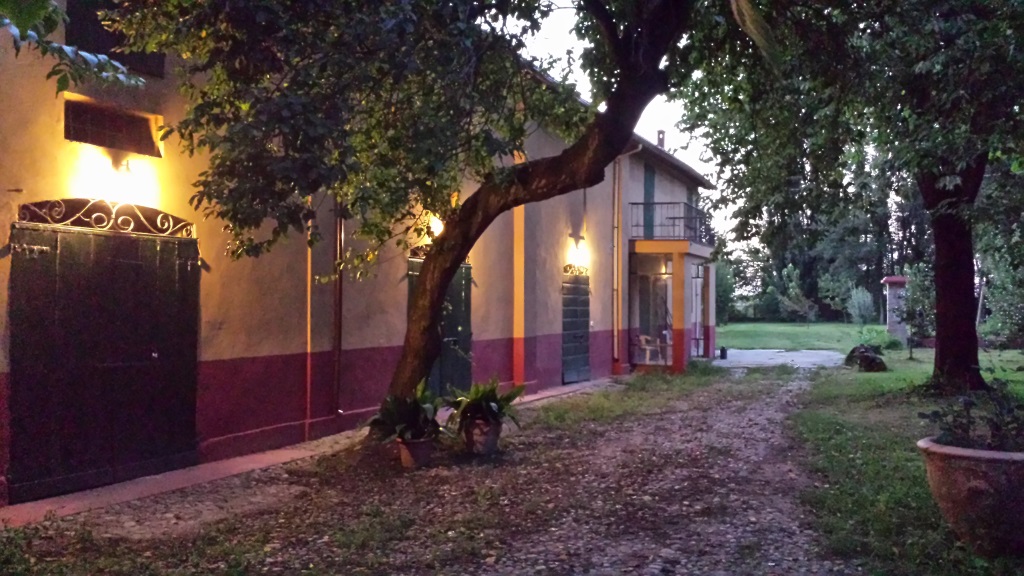
In the past the structure is also known as “al palaz” (the palace), because of the height compared to the nearby buildings. In the 1700 only one family was living in the villa, and the structure was composed in the central hall and 4 rooms around. In each room there are fresco ceiling.
In the 1900 the building was expanded by adding other rooms overlooking the garden.
THE AGRITURISM
Nowadays in the ground floor there are the library, the breakfast room and one of the guest room with the disabled services.
In the first floor there is the private owner’s apartment, while in the second floor there are the other guest rooms with ancient fresco ceiling, oak-beamed ceiling and the original cotto tile floor. The furniture is warm and welcoming (comfortable, hospitable) and reflect the historical setting (contest) of the villa.
All the room are double/triple bed, with private bathroom and WiFi/Internet connections.
The name of the rooms remind flora of the huge external garden that guest can enjoy (admire) looking out of the windows: Abete (fir,spruce), Tasso (yew), Sophora.
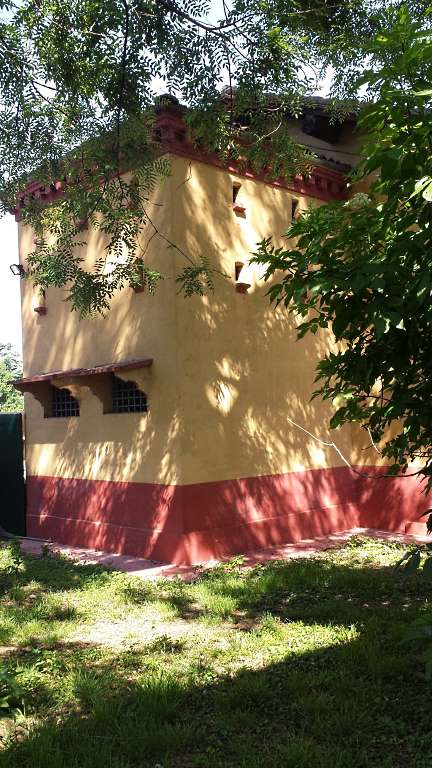
Outside in the garden and nearby the main building of the villa there are three annex structures: in the first one in the past it was stored the wheat, in the second one it was sheltered (parked) the coaches while the last one was inhabited by guardian and now is named “little wheat house” and it is part of the agriturism.
THE GARDEN
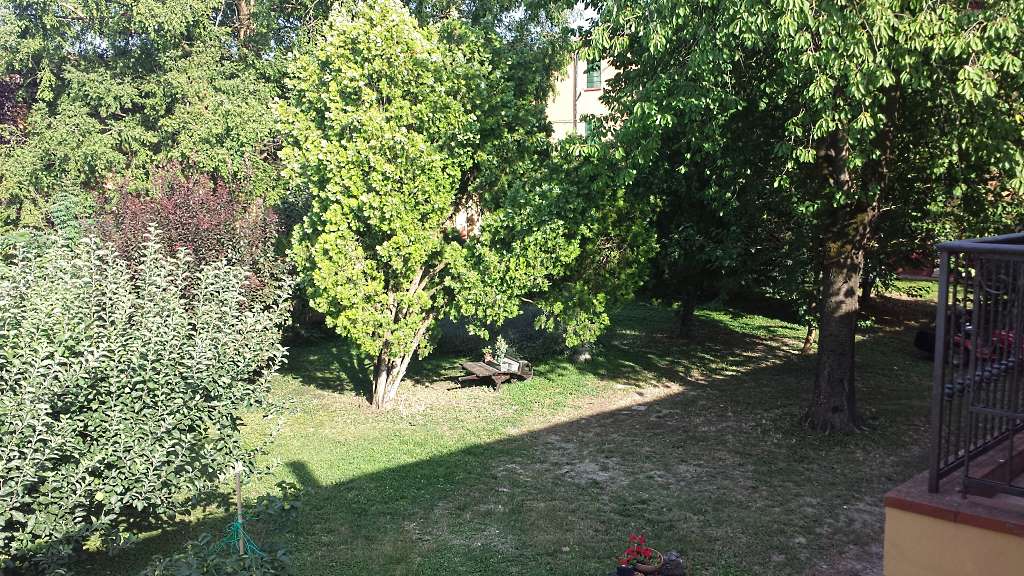
In the entrance part of the main garden there are centuries-old and ancient trees: a huge fir rounded by a flowerbed with aromatic herbs, two yews, few gesture, a big flowerbed of lavender, some unusual trees as rusticani, green apple, cacomela and nut.
Guests can admire ten rose plants near a grapes row for food.
The second part of the park is bordered with fragrant jasmine wall (west side) side and with mixed barries rows (east side).
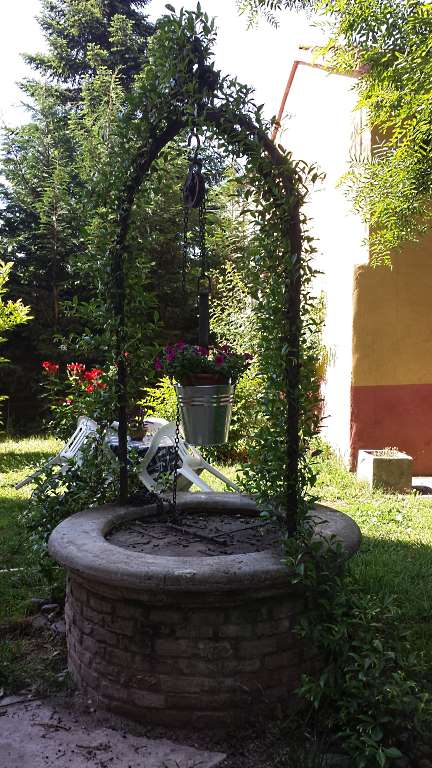
There are also a vegetable garden with season vegetables ( fennels, artichokes, eggplants, leeks, zucchini, tomatoes, pumpkins, spinaches, chards, etc. and different types of salads) and another little garden rounded with ancient bricks with official plants like dark and green sage, borage, mint, santoregge, lemon thyme, savage fennel, wood strawberry and melon.
In the meadow there are two mulberry plats, and the ancient fruits orchard (medlars, Annurca apples, Stanley prunes and apricots).
THE FARMING LAND
Outside the villa there is the farming land consisting in 30 hectares, which is presently cereal farmed: corn, tender and robust wheat, sorgo and soy.
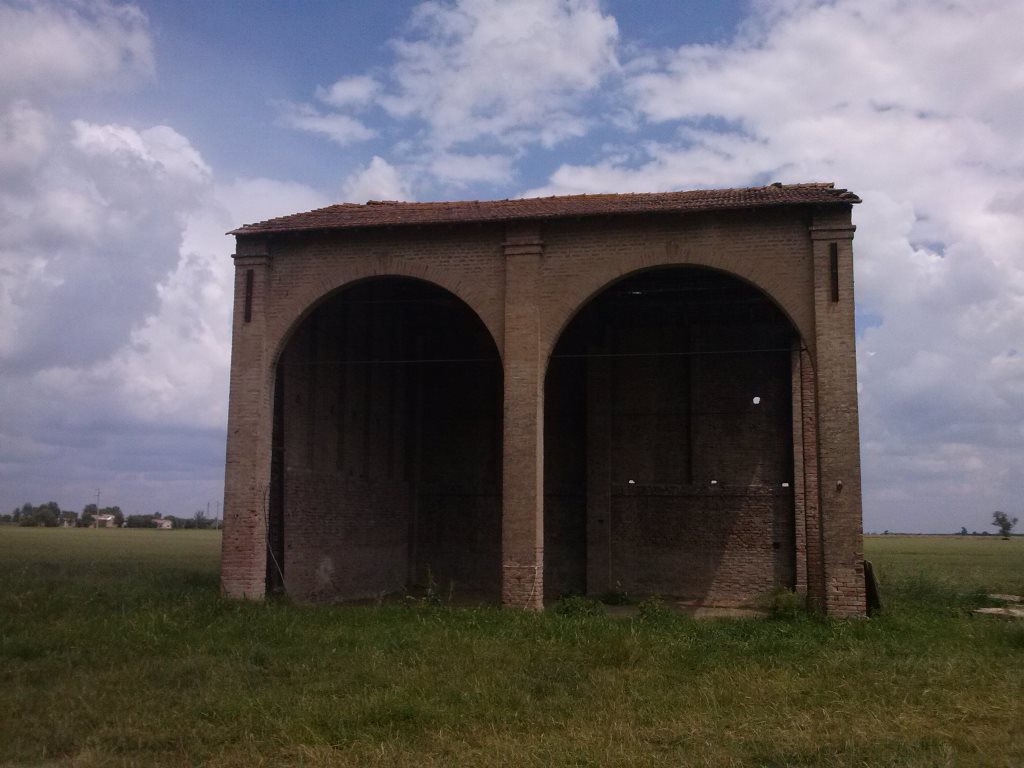
In the past the main plantation was consisting in hemp. There is still a building named “casella” (big house) because of its height where farmers handle hemp and there are also two big original “maceri” (little artificial lakes) for hemp production too and so the farming land was split in partition (sections/ parts) marked by elm trees which were used to support grapevines rows. The grape were then used to produce also vine.
The introduction of the farming machines made it necessary to remove grapevines rows, so to grant more solar enlightenment and a bigger farm (plantation) production.
Only around “maceri” (little lakes) lasted original vegetation that creates a suggestive environment also safeguarded from province laws.









Little Museum
Inside the agriturism is it possible to visit a little museum about hemp, cereals and vine production.
Casumaro
The country has Casumaro origins in the Later Middle Ages and developed in four different municipalities: Cento, Bondeno, Finale Emilia and Sant’Agostino. The only point of aggregation is its parish. The town’s name originally was thought that stemmed from a legend that attributed it to the misfortune of a hypothetical son of Matilda of Canossa, but lately you think of a very simple etymology “Ca sul mar” (Houses on the Sea), a group of houses located inside and near marshes existing in the territories of Ferrara, Cento and St. Augustine. Most of the population lives on the territory of the “Partecipanza agraria di Cento”. The Partecipanza Agraria di Cento is an institution made up of a consortium of families whose ancestors, then known as “men of hundred” and their sons, had been in perpetual lease by the Bishops of Bologna then forest and marshy land. For further information, we want to see:




 Italiano
 Français
Social Profiles